Mumbai Indians: IPL 2026 Team Analysis! Retentions, Releases, Strengths, Weaknesses, Auction Targets & Strategy
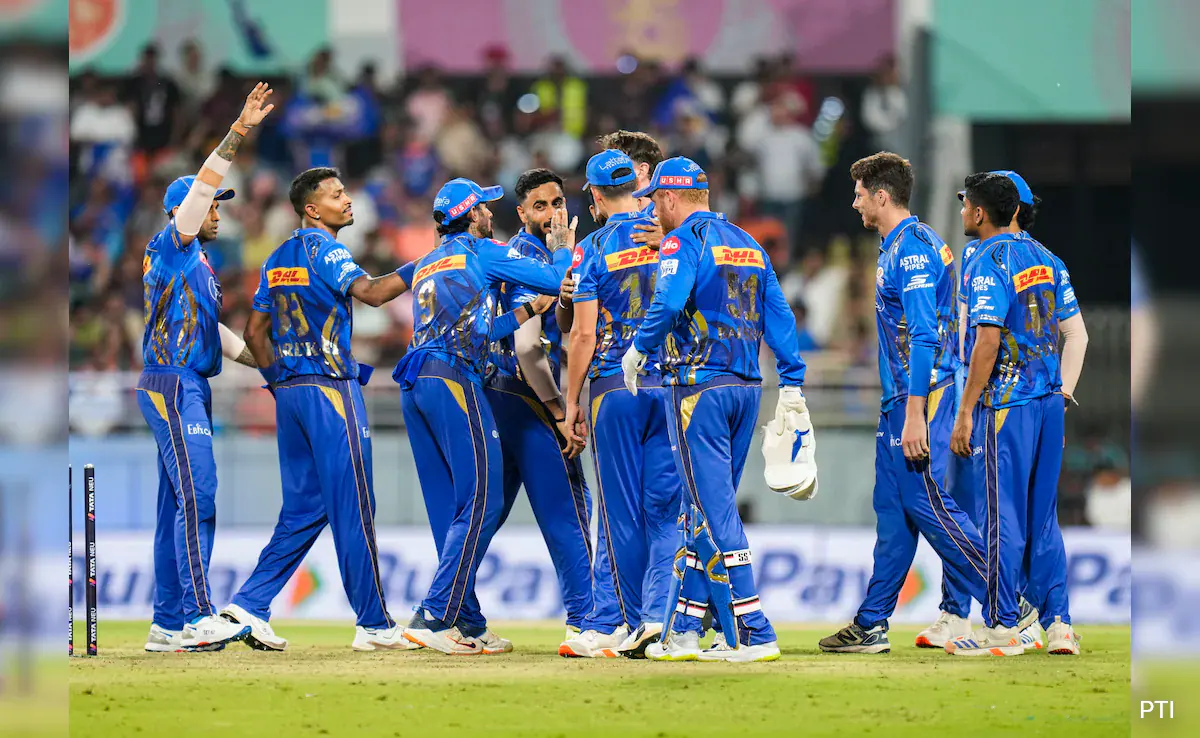
The build‑up to IPL 2026 has moved into a decisive phase for Mumbai Indians, with the franchise officially confirming its retentions, releases and early auction strategy for the new season, and the picture that emerges is of a five‑time champion backing a proven core while still leaving room for targeted tweaks. After an uneven 2025 campaign that ended short of the trophy, the franchise has responded by reaffirming faith in its most established performers, working the trade window aggressively and entering the IPL 2026 auction with a small but carefully protected remaining purse, signalling that continuity and smart role‑based recruitment will drive the next cycle for Mumbai Indians rather than sweeping change.
At the heart of this plan is the decision to retain a powerful senior core built around Hardik Pandya, Rohit Sharma, Suryakumar Yadav, Tilak Varma and Jasprit Bumrah, the same group that has been repeatedly identified as the backbone of Mumbai Indians IPL 2026 ambitions. The announcement confirms that Hardik Pandya continues as captain, with Rohit Sharma now functioning primarily as senior top‑order batter and tactical sounding board, while Suryakumar Yadav and Tilak Varma remain central to the high‑tempo middle‑order template that the team has favoured in recent seasons. On the bowling front, the retention of Jasprit Bumrah together with experienced left‑arm seamer Trent Boult and new‑ball swing option Deepak Chahar anchors a pace attack that still has the potential to dominate both powerplay and death overs in IPL 2026 conditions.
Beyond the headline names, Mumbai Indians retained players IPL 2026 include a substantial supporting group that shows how seriously the franchise treats squad depth and role redundancy. Domestic talents such as Naman Dhir, Raj Angad Bawa, Ashwani Kumar, Raghu Sharma and wicketkeeper Robin Minz have been kept on, reflecting the view that the franchise has already invested time and opportunities in this group and expects that investment to mature during IPL 2026 and beyond. Overseas names like Ryan Rickelton, Corbin Bosch, Will Jacks, Mitchell Santner and Afghan spinner Allah Ghazanfar remain part of the retained core, giving Mumbai Indians a mix of power hitting, seam‑bowling all‑round options and multi‑format spin that can be tuned to different venues on the IPL 2026 calendar.
If the retained core speaks of stability, the MI released players IPL 2026 reveal where the franchise believes it can refresh personnel without disturbing structure. The group moving out ahead of the IPL 2026 auction features quicks and all‑round options such as Reece Topley, Lizaad Williams, Bevon Jacobs and Mujeeb Ur Rahman, along with domestic names like Satyanarayana Raju, Vignesh Puthur, Karn Sharma and keeper‑batter KL Shrijeet. Several of these cricketers either saw limited game time in the previous season or operated in roles where Mumbai Indians already had multiple overlapping options, and their release underlines a drive to free both slots and salary space so that new profiles can be targeted when the IPL 2026 mini auction opens.
The trade window has been equally significant for Mumbai Indians IPL 2026 team analysis, because it has allowed the management to address specific tactical needs even before bidding begins. The franchise has brought in seam‑bowling all‑rounder Shardul Thakur, middle‑order power hitter Sherfane Rutherford and leg‑spinner Mayank Markande, while sending Arjun Tendulkar to Lucknow through a trade. For IPL 2026, these moves collectively add experience at the Wankhede, hitting power for the middle overs and additional wrist‑spin variety, all while keeping the overall MI IPL 2026 remaining purse under control. As Mumbai Indians officials emphasised while confirming these moves, the approach has been to target cricketers already proven in Indian conditions, particularly those who can influence contests at the death with bat or ball.
Financially, the franchise enters the IPL 2026 auction with a Mumbai Indians remaining purse of around ₹2.75 crore, a figure confirmed across multiple retention announcements and widely reported auction previews. That number instantly tells observers that Mumbai Indians do not intend to chase marquee signings this time but will instead use the IPL 2026 mini auction to plug very specific gaps through value buys. With the overall team purse for IPL 2026 set at a far higher figure for each franchise, and with no cap on total retentions under the updated rules, the decision to lock in a large number of players while preserving only a narrow financial buffer shows that Mumbai Indians have effectively front‑loaded their spending into proven assets and will now depend on scouting to find affordable specialists who can complete the squad.
On the batting side, the Mumbai Indians IPL 2026 squad continues to be constructed around a flexible top order, with Rohit Sharma and Tilak Varma forming the base of the powerplay structure, Suryakumar Yadav bridging the phase between the hard new ball and the slog overs, and Hardik Pandya able to slide between number four and number six depending on match situation. Left‑handed options within this retained group, combined with adaptable right‑handers, give Mumbai Indians the ability to control match‑ups against various bowling attacks during IPL 2026, something that became more important in recent seasons as opposition analysts targeted predictable patterns. The presence of hitters like Will Jacks, Sherfane Rutherford and domestic batters such as Naman Dhir ensures that there is a second tier of firepower ready to step in whenever workload management or form demands changes to the playing combination.
In the bowling department, the most obvious strength highlighted by every Mumbai Indians 2026 team analysis is the sheer quality and diversity of pace resources. Jasprit Bumrah remains the spearhead, equally comfortable crushing opposition top orders with the new ball and closing out tight contests at the back end of an innings. Trent Boult brings left‑arm angle and swing that is especially valuable early in the innings, while Deepak Chahar offers control and hooping movement that can force conservative batting during the powerplay. The arrival of Shardul Thakur adds a bowler who can hit the deck, change pace and contribute crucial lower‑order runs, a profile that often proves decisive in high‑scoring IPL 2026 conditions. When combined with seam‑bowling options like Corbin Bosch and the possibility of using Hardik Pandya as a change bowler, this gives Mumbai Indians enough variety to adapt to flat surfaces as well as days when assistance is available under lights.
Spin resources have also been quietly upgraded as part of the Mumbai Indians IPL 2026 project. Left‑arm spinner Mitchell Santner is known for his accuracy and subtle changes of pace, Afghan youngster Allah Ghazanfar adds mystery spin to the mix, and the presence of Mayank Markande boosts domestic wrist‑spin options that are particularly useful on tired pitches deep into the tournament. Between them, these bowlers provide control in the middle overs and the ability to attack when matchups favour spin, ensuring that Mumbai Indians are not overly dependent on seam to win matches in IPL 2026. Together with partnership breakers from the part‑time spin of batters, this unit is built to handle surfaces that range from flat batting tracks to slower venues where tempo control will decide results.
The retention of multiple wicketkeeping options, notably Ryan Rickelton and Robin Minz, supports tactical flexibility for Mumbai Indians during IPL 2026. Rickelton offers a top‑order batting option with left‑hand variety alongside his glovework, while Minz has been groomed as a powerful middle‑order striker who can also handle duties behind the stumps. Keeping more than one specialist in this role allows the franchise to manage workloads, shape match‑ups against different bowling attacks and guard against injury or international commitments that may impact availability at short notice. In an IPL 2026 calendar likely to be crowded with other international cricket, this sort of redundancy is a practical safeguard, and it fits with a broader pattern of Mumbai Indians using the retention window to shore up key roles before turning to the auction for more niche requirements.
Across this retained and traded core, one of the consistent themes in Mumbai Indians IPL 2026 team analysis is the importance of continuity and trust. Many of the domestic names have been part of the environment for more than one season, and keeping them on signals to the dressing room that opportunities are built on long‑term assessment rather than short‑term fluctuations. That perspective echoes the sentiment captured by George Bernard Shaw, who wrote that ‘Progress is impossible without change, and those who cannot change their minds cannot change anything’, a line that speaks directly to the balance Mumbai Indians are trying to strike between preserving what works and updating what needs renewal ahead of IPL 2026. By changing the edges of the squad while preserving the central structure, the franchise is attempting to evolve without losing the culture that underpinned earlier title runs.
From a strengths standpoint, Mumbai Indians IPL 2026 go into the season with what still looks like one of the most complete cores among the ten franchises. The top order remains stacked with high‑ceiling performers in Rohit Sharma, Suryakumar Yadav and Tilak Varma, all of whom have shown they can dominate powerplays and middle overs against quality attacks. The all‑round influence of Hardik Pandya IPL 2026 adds balance in both departments, allowing the team to field an extra bowler or batter as conditions demand. The pace unit centred on Jasprit Bumrah, Trent Boult and Deepak Chahar, supported by Shardul Thakur and others, continues to provide wicket‑taking threats at every phase of the innings. When combined with upgraded spin options like Mitchell Santner, Mayank Markande and Allah Ghazanfar, the overall shape of the Mumbai Indians squad suggests a group that can respond effectively to the varied conditions expected through the IPL 2026 schedule.
Yet the same Mumbai Indians 2026 squad analysis also identifies potential areas that the franchise will monitor closely as the competition approaches. In recent campaigns there have been stretches when the middle overs with bat in hand did not fully capitalise on the strong starts produced by the top order, and the presence of hitters like Will Jacks, Sherfane Rutherford and Naman Dhir within the retained and traded group will be scrutinised as management looks for consistent acceleration between overs seven and fifteen. On the bowling side, injuries to key quicks have affected continuity in past seasons, so the availability and fitness of Jasprit Bumrah, Hardik Pandya, Deepak Chahar and Trent Boult will be critical for Mumbai Indians IPL 2026. The auction therefore represents an opportunity to add at least one more dependable domestic seamer who can step in seamlessly whenever rotation or workload management becomes necessary.
Another talking point in Mumbai Indians IPL 2026 discussions is the structure of the lower‑middle order and finishing overs, an area that can often decide tight games at venues where run chases accelerate dramatically under lights. With Hardik Pandya, Sherfane Rutherford, Shardul Thakur and potentially Corbin Bosch all capable of clearing the boundary, the franchise has multiple options, but the key will be identifying who occupies which role regularly so that clarity under pressure becomes second nature. Observers following the MI IPL 2026 auction strategy expect the team to keep an eye out for one more domestic batter who has experience finishing games in high‑pressure T20 leagues, giving the coaching staff another candidate for those final overs alongside the established names.
In terms of auction mechanics, the broader IPL 2026 retention rules give Mumbai Indians considerable flexibility to keep backing this core in future seasons. With the retention deadline for all franchises already passed and no hard cap on total retentions under the updated framework, the decision by Mumbai Indians to tie down so many key names demonstrates a willingness to ride with this group for at least one more cycle. At the same time, the relatively modest Mumbai Indians IPL 2026 auction purse still available means that every acquisition will have to be justified in terms of clearly defined roles. Industry coverage of the MI IPL 2026 mini auction has repeatedly hinted that value domestic picks rather than headline overseas stars will form the bulk of their incoming business, a reflection of how precisely the current squad has already been assembled.
Within that context, speculation around Mumbai Indians IPL 2026 auction targets has centred on profiles rather than star power. Analysts covering the franchise have pointed to emerging Indian batters such as Chethan, who has built a reputation for consistent returns in domestic T20 events, and multi‑skills overseas seamers like Scott Currie, whose changes of pace and ability to handle end overs make him a natural fit for crowded schedules. Domestic spin options similar to Vignesh Puthur, who has already spent time in the organisation, and adaptable top‑order performers like Ishan Mulchandani, frequently mentioned in regional T20 coverage, are also being tracked. Among overseas quicks, names like Naveen ul Haq are often projected as potential back‑up solutions, given the value of bowlers who can operate effectively both with the new ball and at the death in IPL 2026 conditions.
A key aspect of this planning for Mumbai Indians IPL 2026 is the way management has blended long‑term continuity with simulated scenario planning based on numbers from previous campaigns. Data trends from recent seasons underline how decisive powerplay wickets from Jasprit Bumrah and Trent Boult, combined with middle‑overs control from spin, have been in games where Mumbai Indians have dominated. Conversely, matches where early breakthroughs did not arrive or where middle‑overs run rate drifted upwards have often led to tight finishes or narrow defeats. In response, the composition of the retained core for IPL 2026 is heavily tilted towards multi‑skill cricketers who can influence more than one phase, reducing dependency on any single individual and making it easier for the coaching group to adjust combinations opponent by opponent.
The same logic can be seen if the current Mumbai Indians IPL 2026 squad is stacked against the previous season, using a simple structure that compares core elements from each campaign.
| Season | Core Indian stars | Auction purse at retention stage (₹ crore) |
| 2025 | Rohit Sharma, Hardik Pandya, Jasprit Bumrah, Suryakumar Yadav, Tilak Varma | Mid‑range amount preserved for mega bidding |
| 2026 | Hardik Pandya, Rohit Sharma, Jasprit Bumrah, Suryakumar Yadav, Tilak Varma, Deepak Chahar | Approximately ₹2.75 crore reserved for targeted signings |
This simple overview underlines that Mumbai Indians IPL 2026 team planning has focused on enhancing the Indian core while deliberately operating with a much smaller MI 2026 auction purse, confident that the heavy lifting in terms of squad building has already been completed before the auction room opens.
Leadership dynamics within Mumbai Indians IPL 2026 inevitably remain a recurring topic, especially with Hardik Pandya continuing as designated captain and Rohit Sharma transitioning into a senior batting and tactical role. While Rohit Sharma has been the face of the franchise through multiple trophies, the current structure allows Hardik Pandya to shape on‑field decisions in line with his own modern T20 instincts, backed by the experience gathered from captaining elsewhere in the league. For IPL 2026, this blend of perspectives is expected to support flexible plans that can be altered mid‑game based on match‑ups and conditions, an area where the team has already shown willingness to innovate by using the impact substitute rule creatively and shuffling batting orders to manufacture favourable situations.
Squad balance across roles is another area where Mumbai Indians IPL 2026 team analysis highlights both security and the need for ongoing fine‑tuning. The franchise has at least two credible options for most frontline roles — opening batters, middle‑order anchors, fast‑bowling leaders, frontline spinners and finishers — which reduces the impact of injuries or dips in form. However, given the intensity of the IPL 2026 schedule and the likelihood of overlap with international commitments, the management will pay close attention to succession planning in specific slots such as swing bowling support for Deepak Chahar, reserve pace options behind Jasprit Bumrah and late‑order Indian power hitting behind Hardik Pandya. Any signings at the MI 2026 auction are expected to be mapped directly to these scenarios, rather than being generic depth additions.
External observers have noted that the current Mumbai Indians IPL 2026 squad reflects a philosophy that values clarity of roles over sheer volume of options. Each retained player, from leading names like Suryakumar Yadav and Jasprit Bumrah to emerging talents like Naman Dhir and Robin Minz, fits into a defined tactical template, whether that involves controlling a specific phase with the ball, attacking certain types of bowling or fielding in crucial positions. That approach aligns with the widely quoted line from Sun Tzu, who wrote in his classic on strategy that ‘The whole secret lies in confusing the enemy, so that he cannot fathom our real intent’, a reminder that even familiar combinations can become difficult to handle when deployed in unpredictable ways. For Mumbai Indians, the ability to vary combinations while keeping a stable core is central to how the IPL 2026 campaign has been framed.
The presence of proven match‑winners in almost every department means that Mumbai Indians IPL 2026 will again attract intense scrutiny from rival analysts, broadcasters and supporters following the league. Every move in the MI IPL 2026 auction, no matter how small the bid, will be dissected for what it suggests about likely starting combinations, preferred batting orders and contingency plans for different venues. The fact that the team has only a limited amount of money to spend adds another layer of intrigue, because it effectively forces a choice between banking completely on the existing group or creating space for one or two new names who could offer fresh tactical dimensions. Either way, Mumbai Indians head towards IPL 2026 with expectations that match their history, even as newer franchises continue to grow in strength.
As preparation for IPL 2026 moves from planning into the phase of warm‑up games and finalised combinations, the structure assembled by Mumbai Indians through retentions, releases and trades will set the starting point for everything that follows. The core Indian spine of Hardik Pandya, Rohit Sharma, Jasprit Bumrah, Suryakumar Yadav, Tilak Varma and Deepak Chahar, complemented by overseas pillars like Trent Boult, Mitchell Santner, Ryan Rickelton, Sherfane Rutherford and Will Jacks, gives the side a familiar yet refreshed look that aligns with modern T20 thinking. Around them, domestic names such as Naman Dhir, Raj Angad Bawa, Ashwani Kumar, Raghu Sharma and Robin Minz, along with specialists like Corbin Bosch, Allah Ghazanfar, Shardul Thakur and Mayank Markande, provide the variety needed to adjust to opponents and pitch types without reconstructing the entire side between matches.
Taken together, these choices mean that the Mumbai Indians IPL 2026 team enters the new season with a blueprint that is already clearly visible even before the first paddle is raised in the auction room. The franchise has opted for stability in key areas, moved decisively in the trade market to plug obvious gaps and preserved just enough space in its MI 2026 auction purse to chase specific profiles that scouting reports have highlighted. For followers of IPL 2026, the coming auction will confirm which names fill those final few places, but the essential framework for Mumbai Indians is already in place: a strong senior core, carefully groomed domestic depth, a diversified bowling attack and a batting group built to keep pressure on opponents from ball one through to the closing over.